

Artificial Sweeteners and our Gut Microbiome
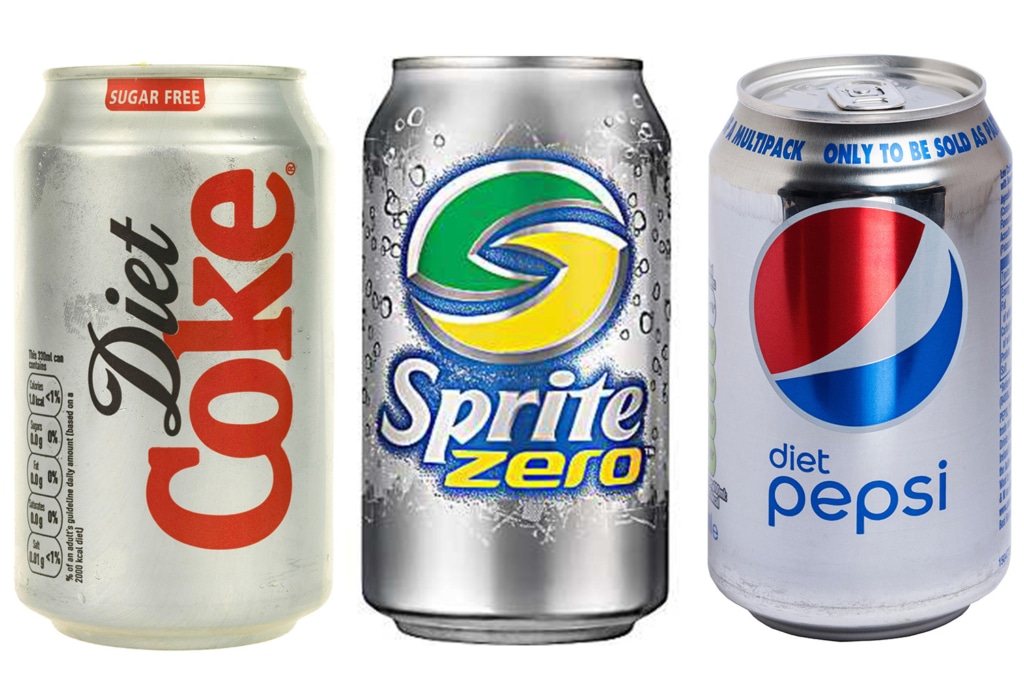
Can diet drinks affect gut health?
Our knowledge about the microbiome has greatly increased over the last 5 – 10 years. Research has highlighted the wide-ranging effects in the body of these organisms which can be either pathogenic “bad” or beneficial. They can help or hinder the immune system, keep us slim or make us put on weight, regulate our moods, produce vitamins, influence hormone levels – in short, they can really add to our health or conversely play a role in ill-health and drive inflammation in the gut and elsewhere. These tiny creatures mostly feed on starches and sugar, but how do artificial sweeteners affect them?
Can artificial sweeteners negatively affect gut bacteria?
I’ve looked at commonly used products: sucralose (as in Splenda), acesulfame potassium (as Ace-K or for example in Sunett), aspartame (e.g. in Diet Coke or as Nutrasweet), polyols like xylitol and stevia (as in Truvia and others).
An animal study on sucralose and the GI microbiome found that sucralose altered the gut microbiome by decreasing beneficial bacteria by up to 50%. Additionally, it was found that 12 weeks after the study the beneficial bacteria in the gut had not recovered, meaning that even after sucralose was no longer being consumed, the gastro-intestinal tract was still negatively affected.(1).
Can artificial sweeteners increase inflammation?
In conditions such as Crohn’s where inflammation is already present, sucralose was shown to exacerbate inflammation, cause damage to the gut lining and an imbalance in gut bacteria, notably an increase in e.coli. (2,3) (This is a bacterium that, in large numbers can cause diarrhoea, inflammation and urinary tract infections).
Can artificial sweeteners increase blood glucose levels?
In normal-weight people, sucralose was shown to increase blood glucose levels after 10 weeks of chronic consumption. (4). The microbiome will be altered by high amounts of glucose as these can feed pathogenic bacteria, yeasts, etc., enabling them to proliferate and crowd out beneficial organisms in the gut. The opposite is also true – an imbalance in our gut organisms can affect blood glucose levels and the potential development of type 2 diabetes and obesity.
Can artificial sweeteners cause leaky gut?
When female mice were fed Ace-K, lactobacillus and bifidobacteria (both beneficial groups of gut bacteria) were reduced. In male mice, there was an increase in bacteroides, a sub-group of gut bacteria associated with obesity. Most importantly, in both sexes, genes responsible for LPS synthesis increased.(5) LPS is a toxin produced by gut bacteria that can cause leaky gut and widespread inflammation. Ace-K can, just like sucralose, also increase the growth of e.coli.(6)
Does aspartame affect gut health?
Aspartame is one of the oldest non-caloric sweeteners on the market and research around its safety is controversial. It was first declared safe for use in the 1970s, but scientists have recently called for an urgent review. (7)
Aspartame doesn’t have a significant direct effect on the gut microbiome, but it has been associated with neurodegeneration, i.e. reduced brain function, cancer and kidney diseases. (8,9,10)
Xylitol and Sorbitol have a positive prebiotic effect on gut bacteria.
Polyols, or “sugar alcohols” include mannitol, erythritol, sorbitol, xylitol etc. Even though these are also artificial sweeteners, they have a prebiotic (positive) effect, acting as food for gut bacteria.(11) (Taken in excess they can have a laxative effect).
Stevia may affect the function of good bacteria in the gut
Stevia’s sweet taste and all-natural origins make it a popular sugar substitute. Research has shown that stevia may disrupt communications between different bacteria in the gut microbiome. (12) While this may not cause an imbalance between pathogenic and beneficial bacteria, it can affect their function. With little long-term outcomes data available on the plant extract, it is possible that stevia in large quantities could have harmful effects.
Can artificial sweeteners help with weight loss?
The research on whether sweeteners can help with weight loss is controversial, but any component of our diet that disrupts the microbiome can potentially hamper efforts to lose those extra pounds. Gut bacteria play a major role in so-called energy harvesting and energy distribution, i.e. how calories from our diet is used and stored (or not) in the body. A healthy microbiome can thus help to achieve or maintain a healthy weight.
Before you include these sweeteners in your diet, remember that they are all processed chemicals and a far cry from the naturally sweet fruits and vegetables our ancestors consumed.
REFERENCES
- https://pubmed.ncbi.nlm.nih.gov/18800291/
- https://academic.oup.com/ibdjournal/article/25/2/e3/5006491
- https://pubmed.ncbi.nlm.nih.gov/29554272/
- https://link.springer.com/content/pdf/10.1186/s12937-020-00549-5.pdf
- https://journals.plos.org/plosone/article?id=10.1371/journal.pone.0178426
- https://pubmed.ncbi.nlm.nih.gov/33336183/
- https://academic.oup.com/nutritionreviews/article/75/9/718/4101228
- https://pubmed.ncbi.nlm.nih.gov/29038387/
- https://pubmed.ncbi.nlm.nih.gov/24436139/
- https://pubmed.ncbi.nlm.nih.gov/30318075/
- https://www.ncbi.nlm.nih.gov/pmc/articles/PMC6363527/pdf/nmy037.pdf
- https://pubmed.ncbi.nlm.nih.gov/33238612/